
Nomination "Responsible for those": northern resident Natalya Raevskaya has been rescuing red-listed birds and other animals in distress for many years.
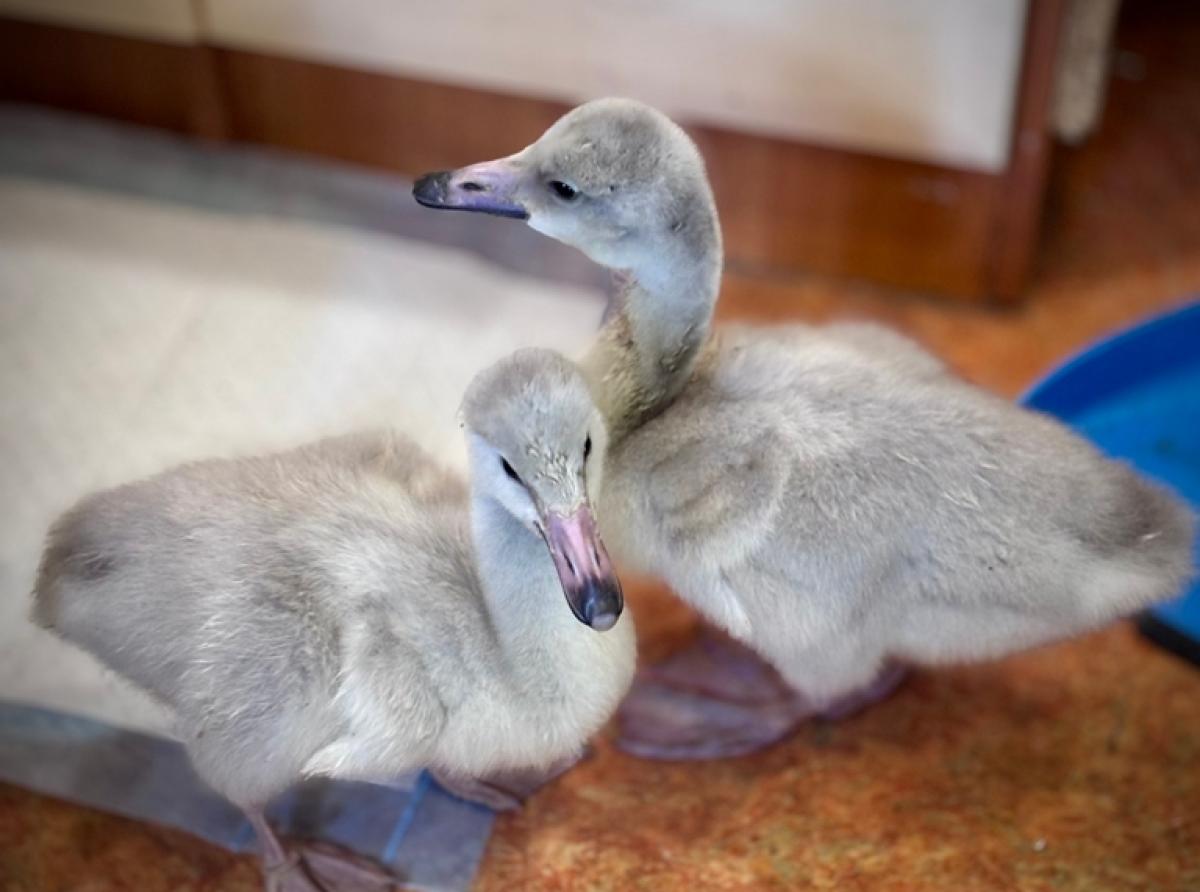
A heartbreaking tragedy struck a family of waterfowl in early summer near Apatity. One June day, a pair of swans was leading their babies across the railway tracks toward a lake when a train approached. The train was unable to brake in time. The beautiful, snow-white parents were killed under the wheels, leaving two week-old chicks orphaned. The unfeathered cygnets survived but were deeply frightened and fled into the forest while the train was coming to a stop.
Railway workers immediately reached out to volunteers for help. Left without parental care, the tiny orphans faced certain death. Kind-hearted locals spent several days combing through the forest belt and the lake shore. Fortunately, their search was successful, reports murmansk.aif.ru.
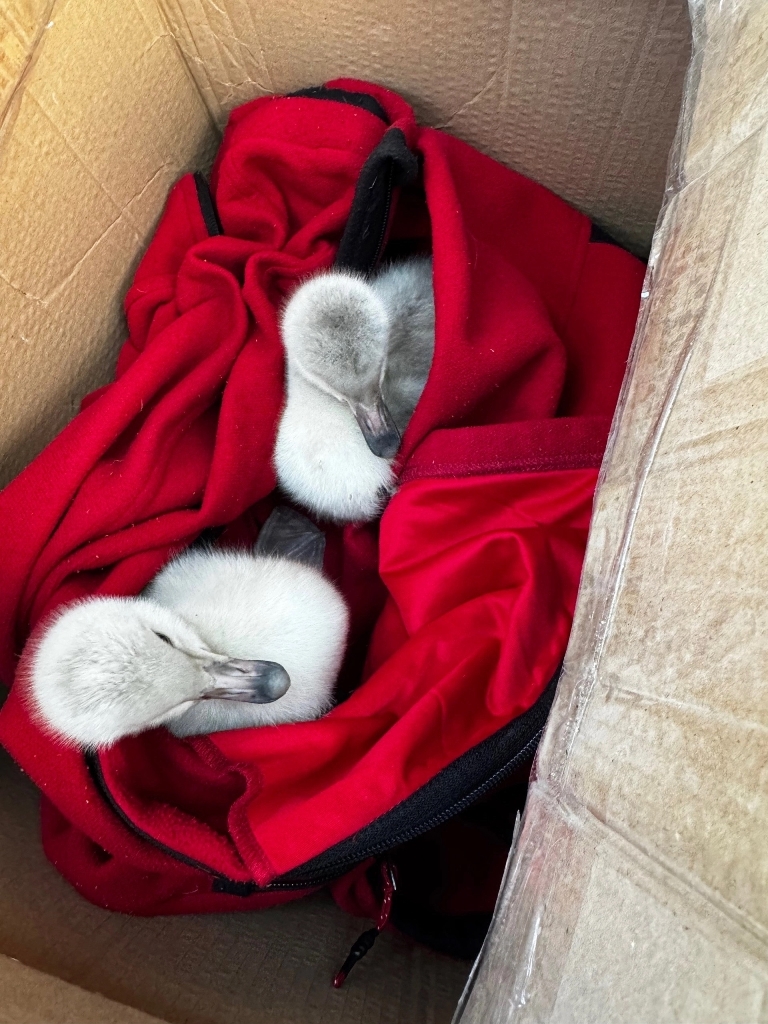
A day later, the fluffy orphans were handed over to the caring hands of Murmansk resident Natalya Raevskaya, a leading engineer for ornithological safety at a local branch of JSC "Citymatic." Natalya has a kind heart and extensive experience in rescuing and nursing wild birds, including waterfowl, as well as other animals. Over the past 7 years, she has cared for leverets (in cooperation with the "House of the Hare" rescue center), squirrels, small mammals like ermines, and a vast number of birds—ranging from sparrows, pigeons, and ducks to owls, hawks, and even a stork. But even before that, she had already begun volunteering for various animal rehabilitation centers.
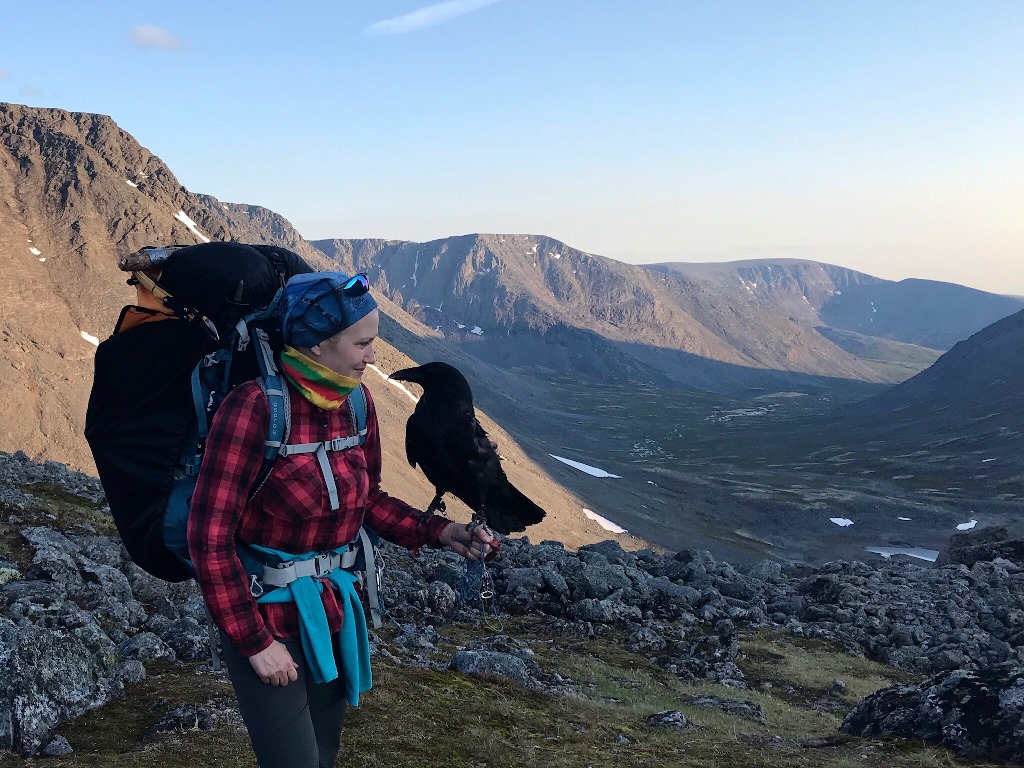
The Northern resident’s very first and most beloved pet was a raven named Krosh. In the spring of 2019, a student found the wild bird with a broken wing in Polyarny, but she had no means to treat or keep the injured creature. "Shortly before that, I became interested in wild birds—mostly owls, to be honest, but also corvids. I followed the work of wild animal rescue and rehabilitation centers, read articles by veterinarians, and already had an idea of what to do with the found raven," Natalya said.
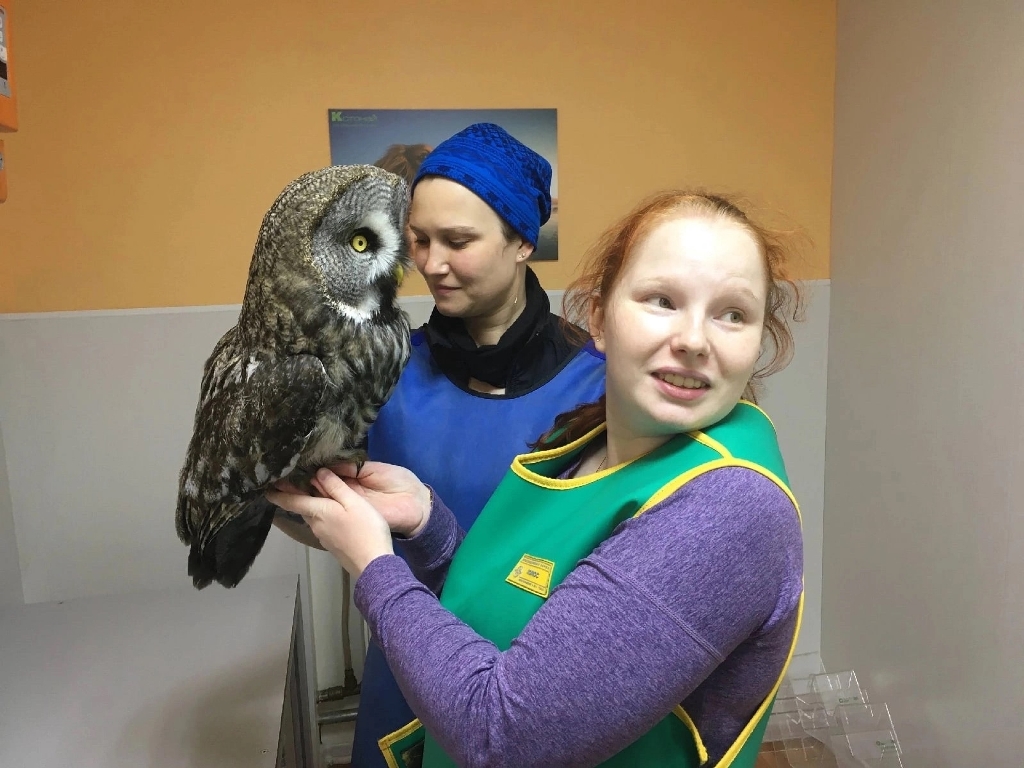
The merciful Murmansk resident took in the bird, which could have died without urgent care, and consulted a specialist. It turned out that the raven had a very old, infected fracture of the humerus. The wing had to be completely amputated. "That was when we met and became friends with Anastasia, who was just starting out as an avian veterinarian. We began working with birds together. A few years ago, she moved to Gatchina, but we are still friends, we stay in constant touch, help each other out, and treat birds together. Anastasia is an experienced and very skilled doctor," the animal advocate noted.
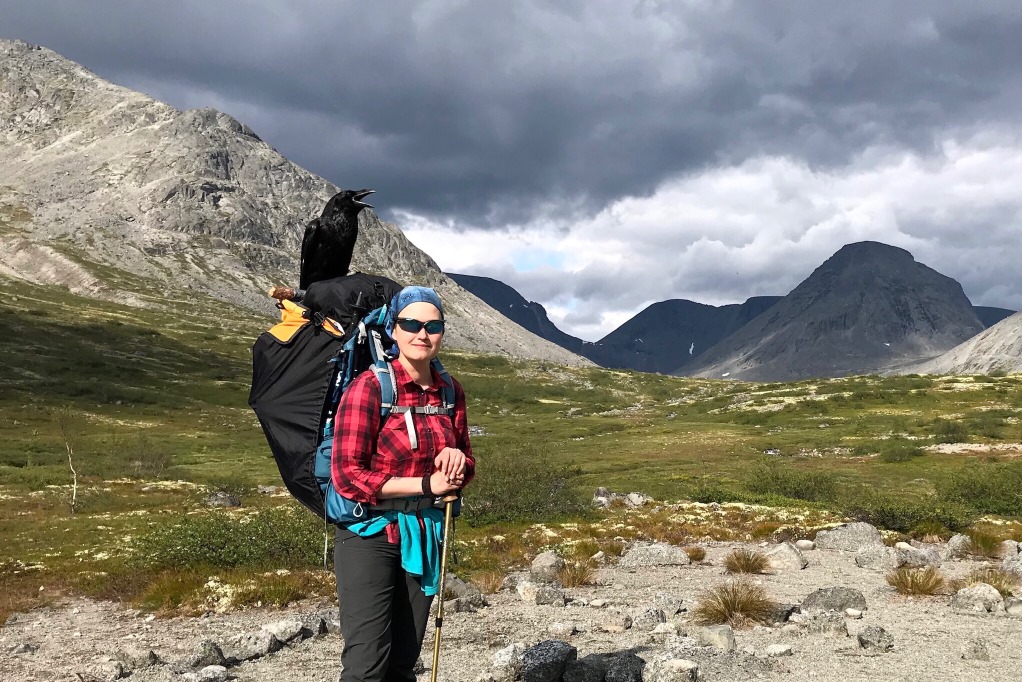
The raven was an adult, though his exact age could not be determined. Through care and kindness, Natalya managed to gradually tame the wild, independent, and highly intelligent bird. The Northern resident often went hiking in nature and even traveled in the mountains with her one-winged friend. She built a special perch on her backpack for her favorite pet, which he would hop onto by himself.
Regrettably, the touching friendship between the human and the wild bird lasted less than a year. "The raven lived with me for only 8 months, but they were very fulfilling months. His heart stopped, and the cause remains unknown. Back then, Murmansk had no facilities for treating or diagnosing birds. We submitted everything we possibly could for lab tests here. Today, everything is well-established, but back then we were just fumbling around in the dark. Losing him was incredibly hard for me, and to this day, I still cannot look at his photos," Natalya shared.
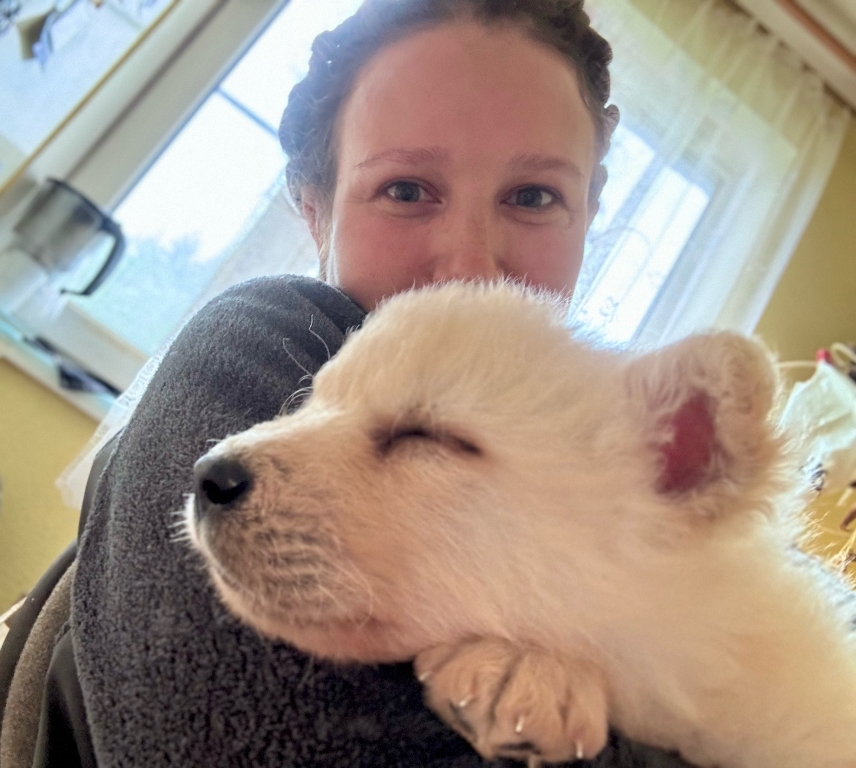
Today, the ornithological safety engineer cares not only for the orphaned cygnets but also for her other rescues. She shares her home with two dogs found on the street, named Volk (Wolf) and Agat (Agate), and a tortoise that had been thrown out into a trash bin.
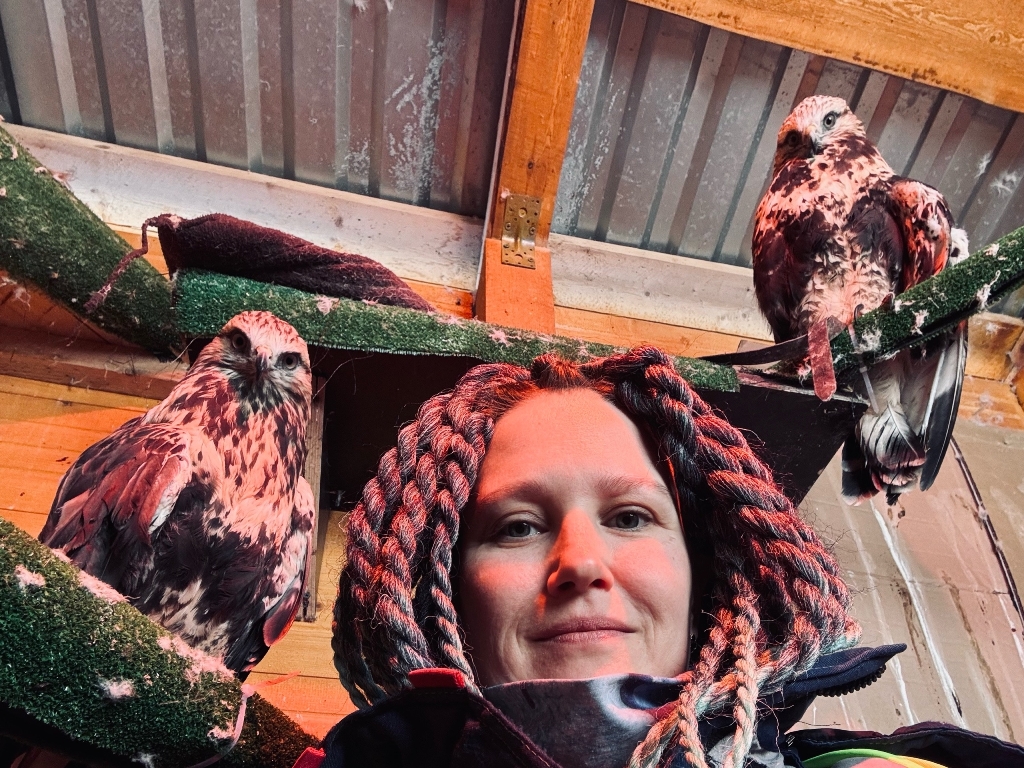
Among her avian residents are a sparrow, a gull, a sandpiper, crows, pigeons, hawks, merlins, a marsh harrier named Lunacharsky, northern hawk-owls named Kisa and Farsh, a long-eared owl named Chernomordin, and a raven named Sara. Most of them will be released back into the wild after treatment and rehabilitation. However, some of the birds will never fly free again: a blind hawk named Homer; rough-legged buzzards named Isbjörn (Izya), Eyjafjallajökull (Elf), and Ded (Grandpa), as well as a few other pets.
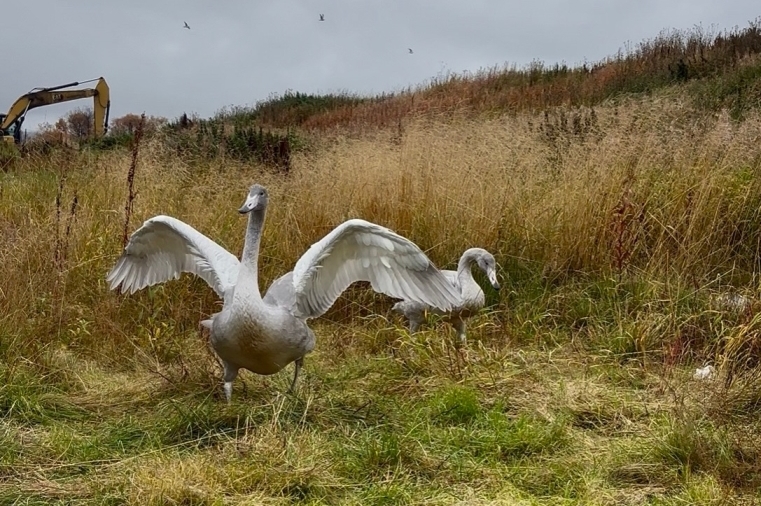
Once they grow up, the cygnets will also be released back into the wild. "Petya and Marusya, two jolly geese," is how Natalya fondly refers to the lovely offspring of the majestic birds, who now live in a spacious outdoor enclosure outside the city. "The cygnets are growing well, they are fully feathered now and are finishing growing their flight feathers. Their sex cannot be determined yet. We decided to raise them and then introduce them to a wild flock of swans when they gather on the lake before migrating south," the Murmansk resident explained. The process of introducing the swan orphans to their wild relatives will be fully supervised.
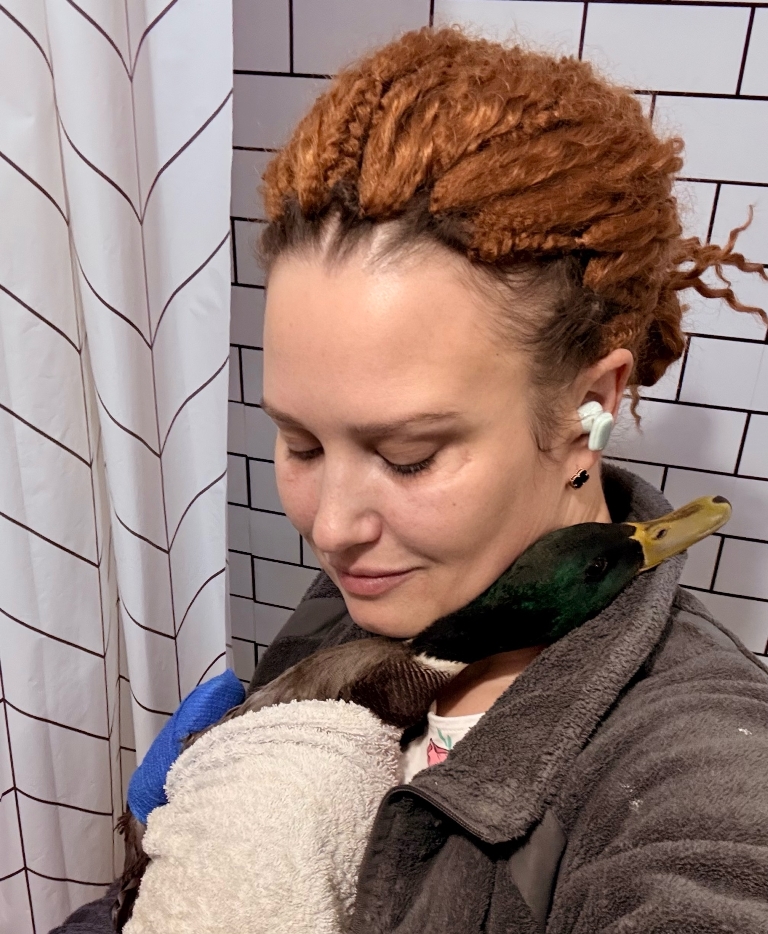
Photo from the archive of Natalya Raevskaya