
“Responsible for those” nomination: "AistYasha" charity foundation is the only wild bird rehabilitation and rescue center in the Smolensk region. Its efforts are focused on returning feathered creatures back to nature.
The Smolensk-based 'AistYasha' foundation rescues wild birds that find themselves in life-threatening situations or suffer at the hands of humans. It was established in 2025 by residents of Mikhovka village, a married couple named Andrey and Elena Davydenko. The animal rights activists nurse the feathered creatures back to health on their own land plot. Many of the pets they have treated and raised will never return to the wild. These are disabled birds that have lost the ability to survive on their own. Among them are traffic accident victims left without eyes, wings, or legs. Thanks to the couple, all of them will live under their protection. Therefore, one of the foundation's primary goals is to build warm shelters so that the birds can spend the winter in comfortable conditions.
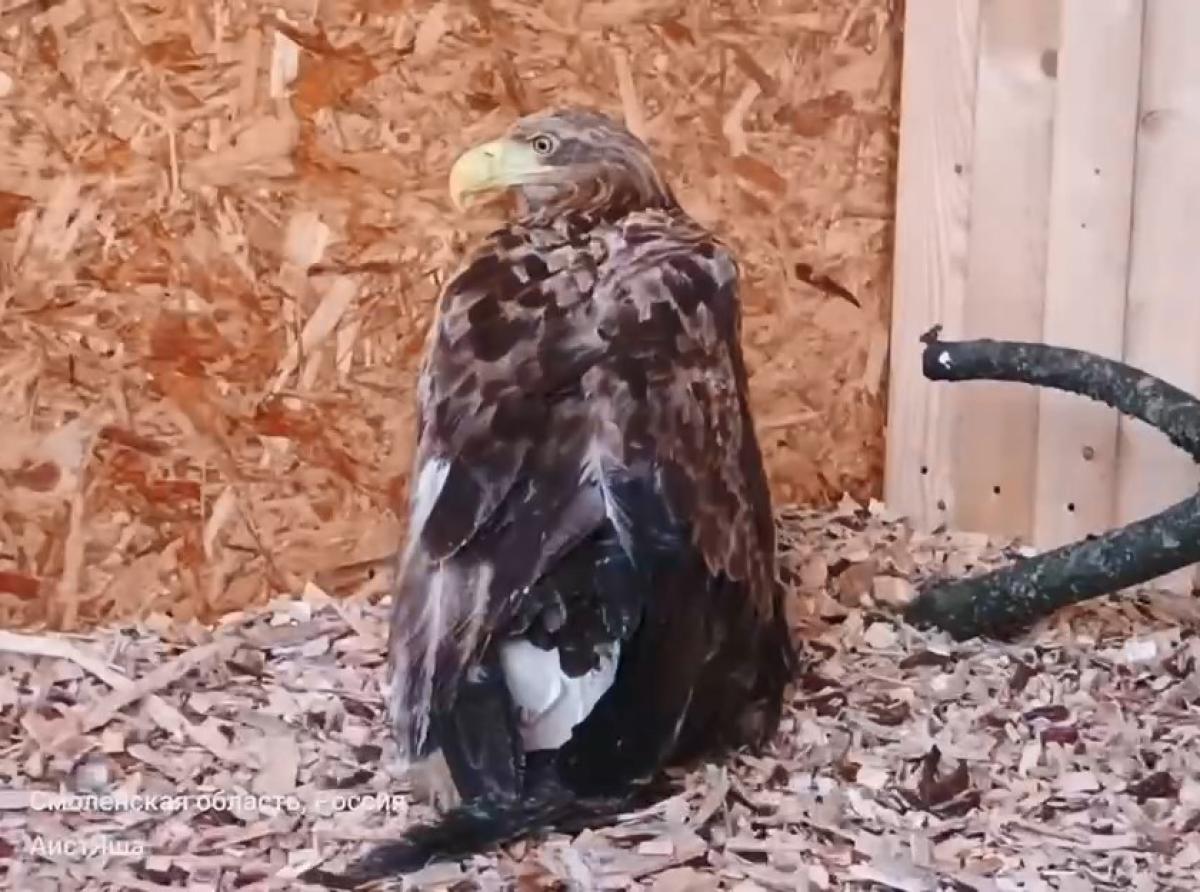
Recently, a shot predator arrived at the center—a white-tailed eagle, listed in the Red Data Book of Russia. The wounded bird walked up to houses in the Vyazma District on its own and hid in a garage. Local residents immediately realized the bird was dying. The eagle was transferred to the 'AistYasha' center. 'For its noble stature, the bird was named Knyaz (Prince) Vyazemsky,' reported Vesti-Smolensk. The Red Data Book species received injections and treatment for gunshot wounds. 'One wound was a through-and-through, and the second bullet was stuck in the wing. We extracted it. However, the eagle had acute lead poisoning and its digestive system stopped working,' Andrey noted. The animal rights activists stabilized Knyaz's condition, but realized it would be difficult to save the rare bird at the center and that it needed to be handed over to specialists. The injured wing required urgent treatment; with each passing day, the chances of it remaining functional were shrinking. However, it turned out that the hardest part of rescuing the predator was gathering the package of documents, including a directive from Rosprirodnadzor (Federal Service for Supervision of Natural Resources) and waiting long days for permission.
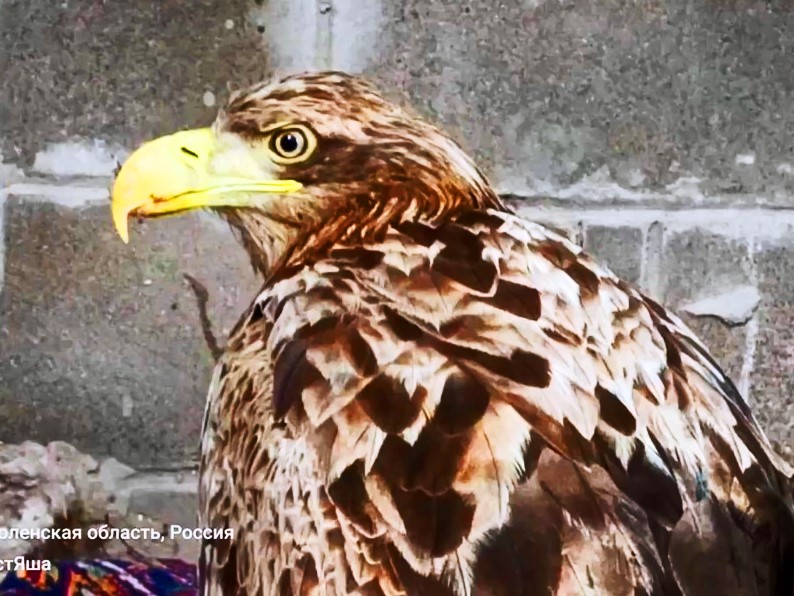
The Karelian Zoo agreed to take in the noble bird. The beautiful eagle will no longer be able to fly, but under the supervision of specialists, he will live a long and comfortable life. Knyaz will be joined by two storks raised at the center. According to the volunteer, everything is already prepared to welcome the birds there: spacious enclosures and cozy winter shelters. 'We have seen firsthand how tenderly they care for animals at the zoo, so we are at peace regarding our birds—they are eagerly awaited there,' Andrey Davydenko emphasized.
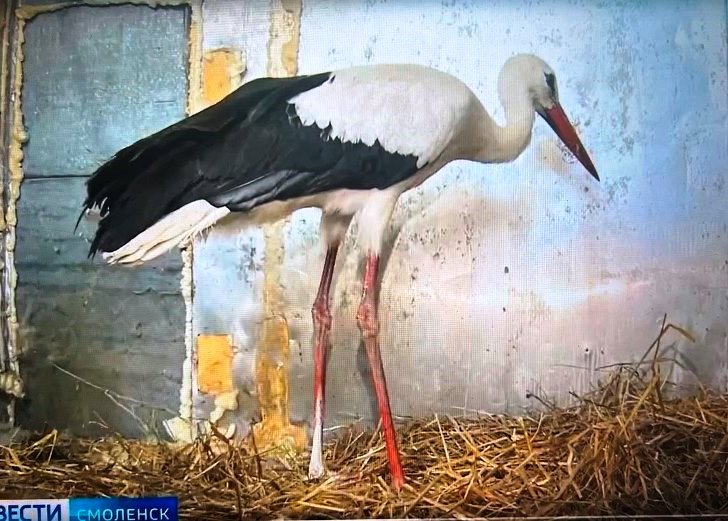
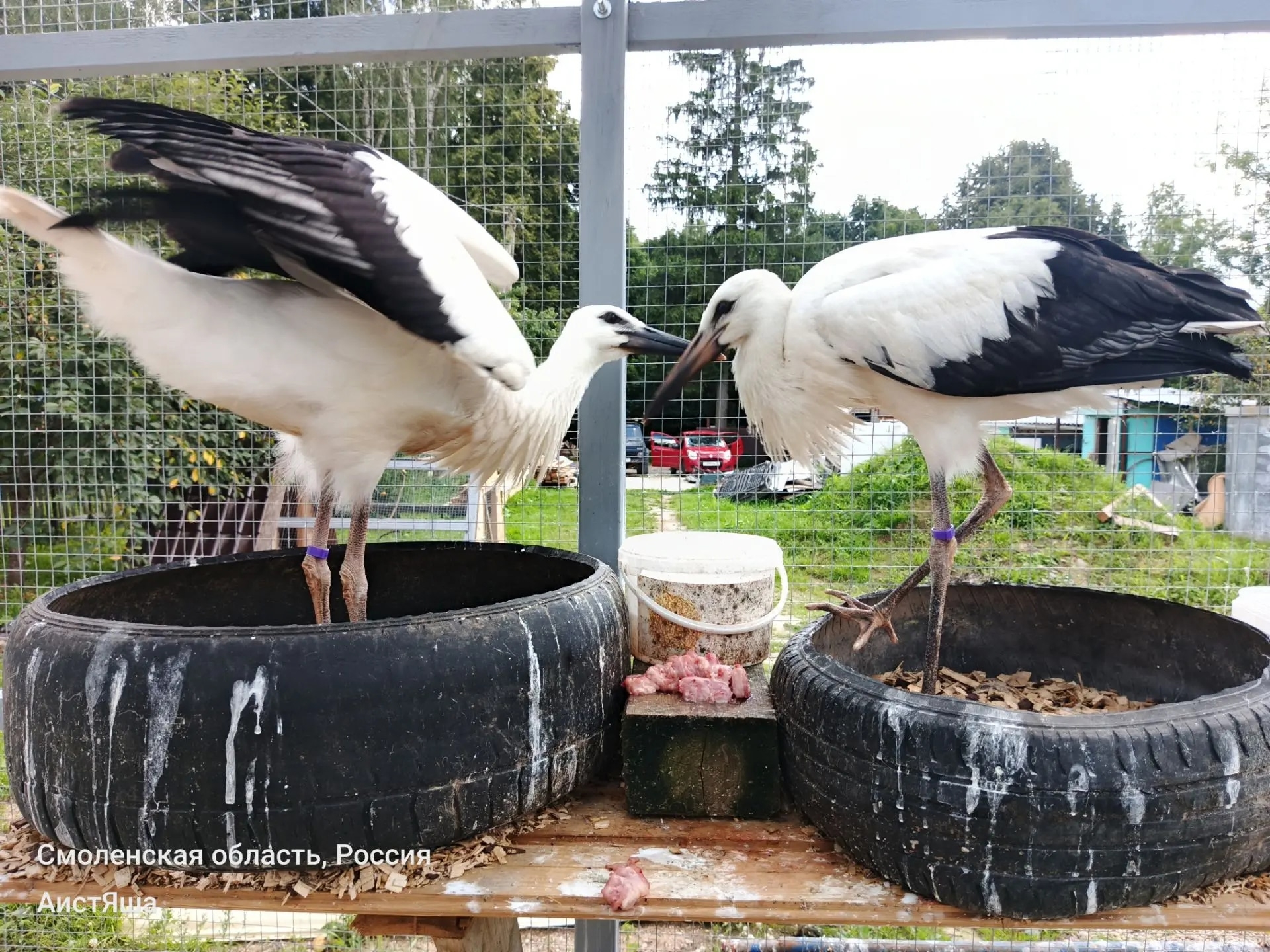
The center primarily specializes in rescuing the white stork. Its unusual history began in 2024 with the rescue of a stork chick named Yasha, who had fallen out of his nest. Fortunately, the chick landed in thick grass and suffered no injuries. Today, this pet is a full member of the Davydenko family. He responds to human calls and joyfully not only walks but also plays with his rescuers. To keep him from being lonely during the winter, a non-flying companion named Sasha was placed with him. As for Yasha, he is able to fly and does so freely, yet he returns home every single time, even when his fellow storks head south.
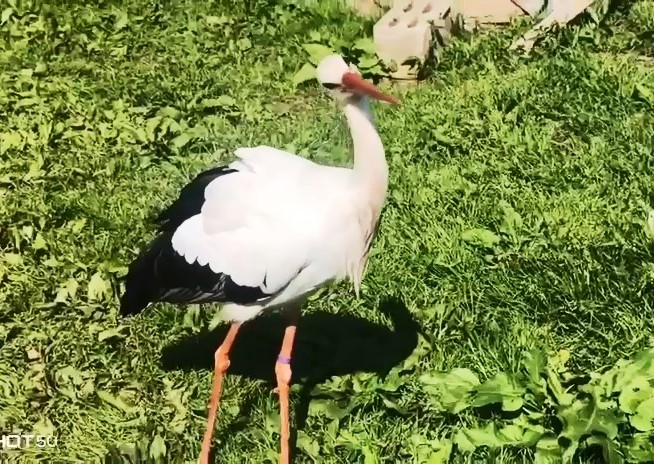
We always helped kitties and doggies, rescued traffic accident victims, and other injured animals. But after we saved Yasha, people started reaching out to us. We couldn't refuse them. After the first swans that we took from the wild, we were politely asked to register officially; otherwise, we would have been fined for illegal activity. That is how our foundation began. When Yasha came to us, we started looking for a shelter or anyone who could help with feeding and treating the stork, and we realized that nobody in Smolensk understood birds. Currently, we are being consulted by Doctor Valentin Kozlitin, one of the best avian veterinarians in the country," the volunteer shared.
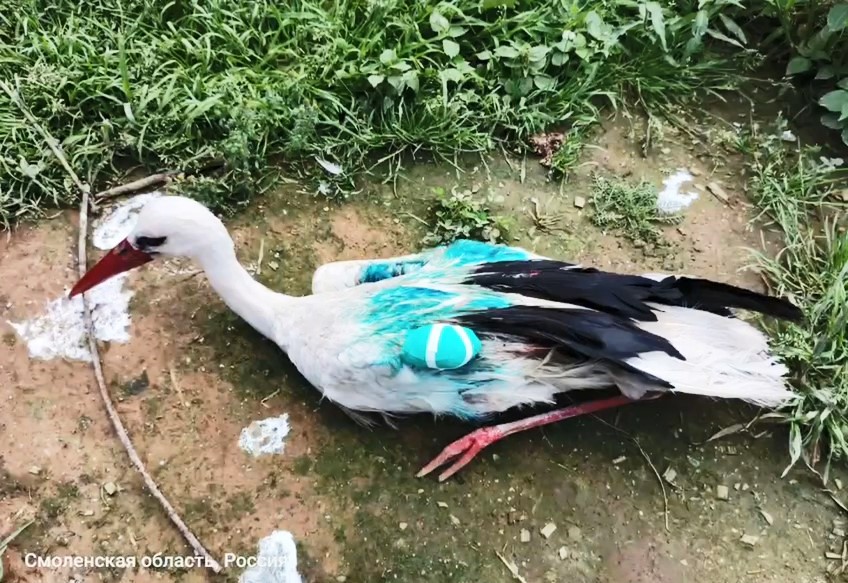
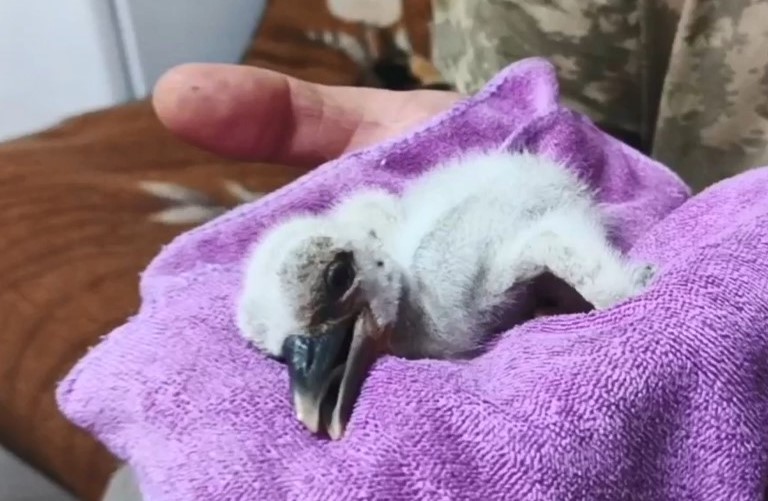
The storks kept at the center ended up there under difficult circumstances. Some arrived in moderate condition, while for the lives of others, the volunteers had to fight from the very first minutes. For example, Dyusha came from the Bryansk region. The little one either fell out of the nest or was kicked out. He had a whole bouquet of problems: rickets, a weak immune system, pneumonia, and 'drooping' wings. Tosha from the Kardymovo district also left his nest too early. He was diagnosed with minor fractures, as well as signs of infection and aspergillosis. Aika, a foundling, was taken in for supplemental feeding in a state of severe exhaustion with pneumonia. Mosya survived a true tragedy in the Kholm-Zhirkovsky district. His nest collapsed, and, unfortunately, the other chicks died. The baby survived but suffered a fractured leg, digestive issues, and pneumonia. Dema arrived in critical condition: with fractured toes, air sacculitis, signs of aspergillosis, and a massive number of parasites that were literally draining his strength. Klepa is the most complex case. When he arrived at the center, his eyes were completely swollen shut with pus due to a severe infection. The volunteers did everything possible to save his sight and his life.
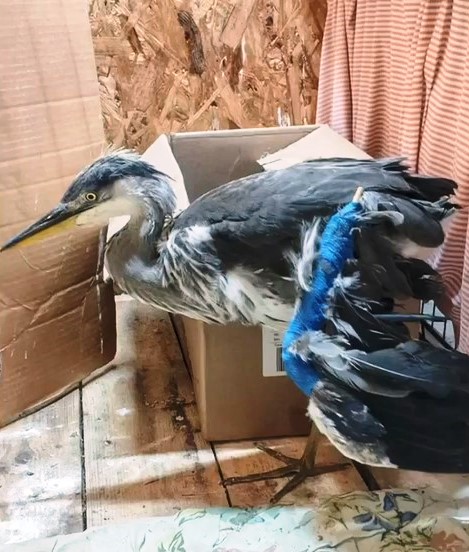
The stork chicks undergo a long course of treatment and rehabilitation. Whether they will ever be able to return to the sky and the wild only time will tell. For now, according to Andrey, the main goal is to get them back on their feet.
Wild birds of various species are under the protection of the rehabilitation center. 'As of today, we have over 50 birds, including 16 storks, 4 owls, two hawks, rooks, and seagulls. We even had to rescue a goose once—it escaped from an oven on Christmas. I had to take a short dip in the river while catching it,' the volunteer shared.
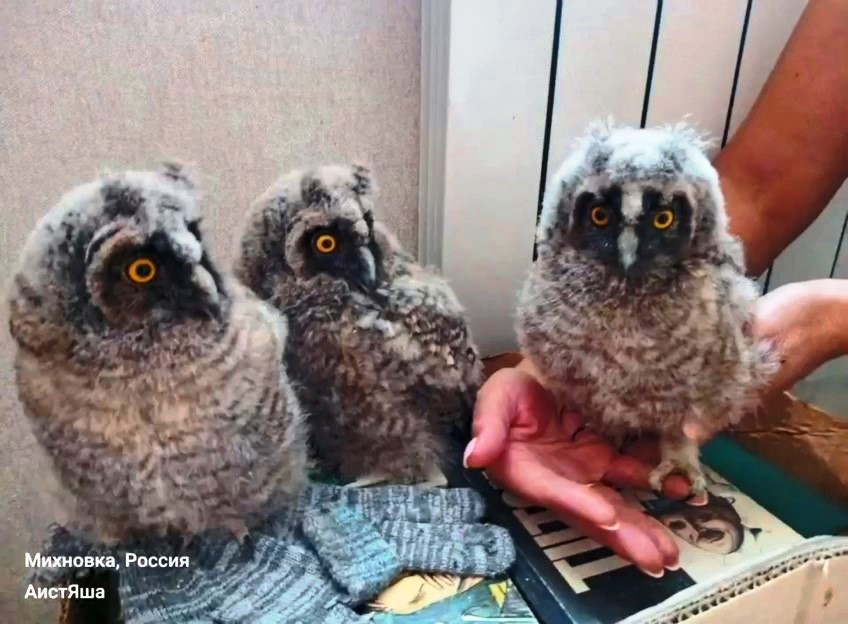
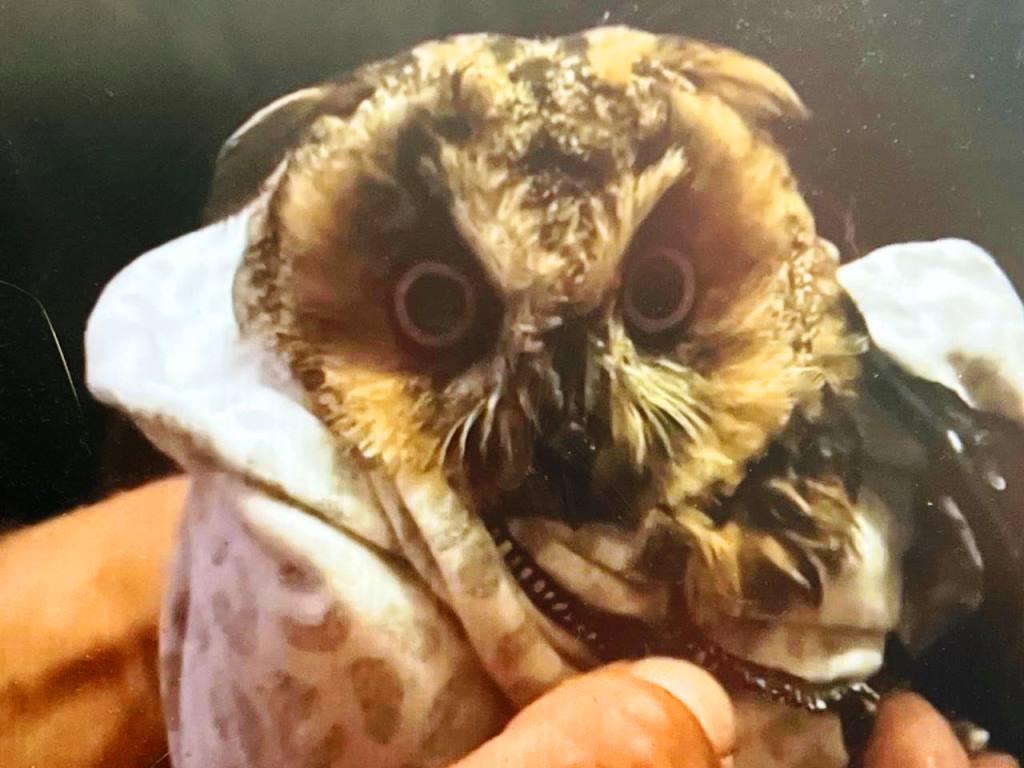
The shelter's residents have their own sad stories. For instance, local residents discovered the charming owlets Mickey and Kikki in the grass next to dead chicks. There was also a third surviving baby with them. The center's volunteers took the emaciated orphans under their care. However, one of the chicks made a hole in the window netting and escaped.
The number of charges is constantly changing, as new residents continue to arrive regularly. 'There have been heavy losses that still bring pain. But there have also been true triumphs when, after long treatment, birds returned to their native element—the sky,' the foundation's co-founder noted.
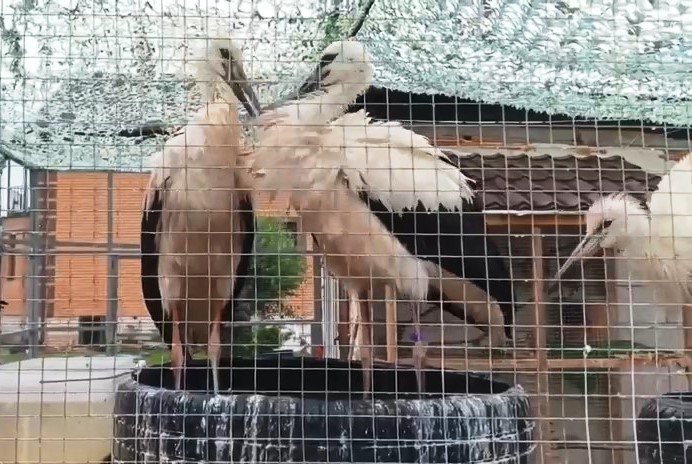
Several recovered storks are being prepared for release into the wild. They have been banded just in case. If it turns out that the birds have lost their migration instinct after a long rehabilitation and do not fly south, the people who find them will be able to notify the 'AistYasha' center, and the birds will be taken back for the winter.
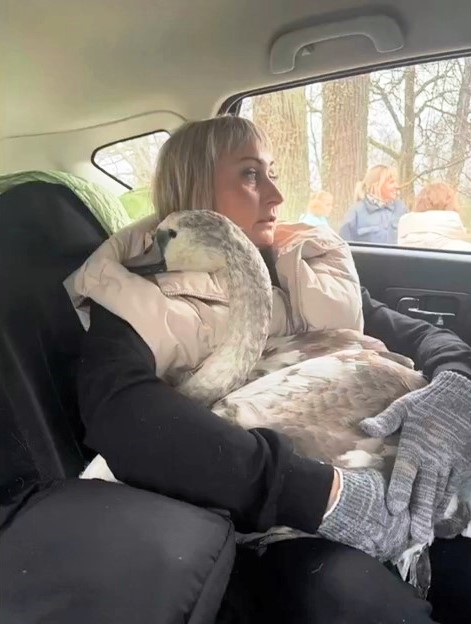
Three recovered swans—Arisha, Nyasha, and Totosha—have already been released into the wild after long and expensive treatment. Now they will live in a specially protected area within the natural reserve of the Khmelita Estate. Additionally, a recovered seagull named Kosha was also released into the wild.
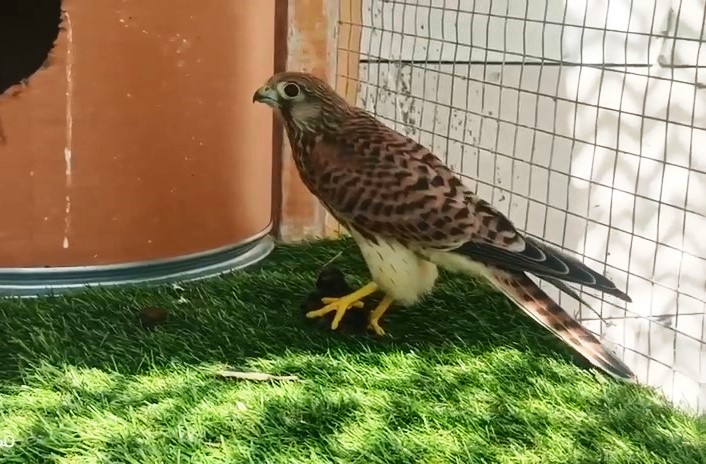
Kestrel chicks Koko and Toto, who were left without parents, are gaining strength. Meanwhile, the charming tawny owl Shusha is celebrating a housewarming. 'Looking at her, it is hard to imagine what she had to go through. Severe injuries, prognosis that left no hope, and a long battle with aspergillosis. But since October, step by step, we have been working toward ensuring that Shusha could live comfortably. Recently, for the first time, she moved from indoor walls into a cozy outdoor enclosure. We tried very hard to make it comfortable for our charge,' Elena Davydenko shared.
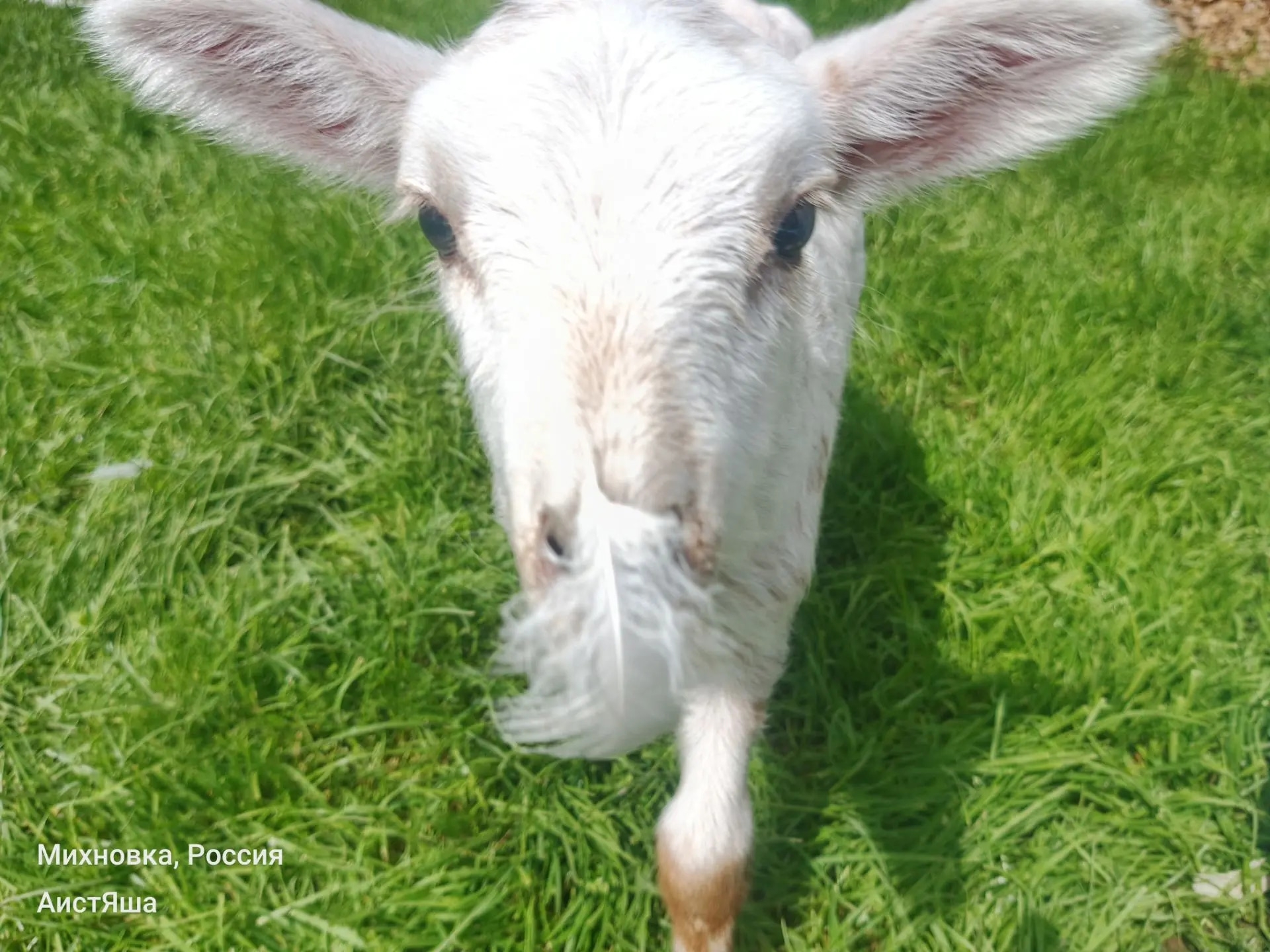
Another pet is not a wild bird at all, but a cute little lamb named Keks, who miraculously survived on a highway under the wheels of a car.
The Davydenko spouses rescue our lesser brothers entirely on their own—they have no assistants. However, maintaining dozens of birds while simultaneously building enclosures is difficult for just two people, ASI reported. 'We have to build, treat, feed, and travel to rescue the birds. Sometimes, there is simply nothing to feed them, and the medicines are terribly expensive because we are trying to save and cure them,' Andrey shared.
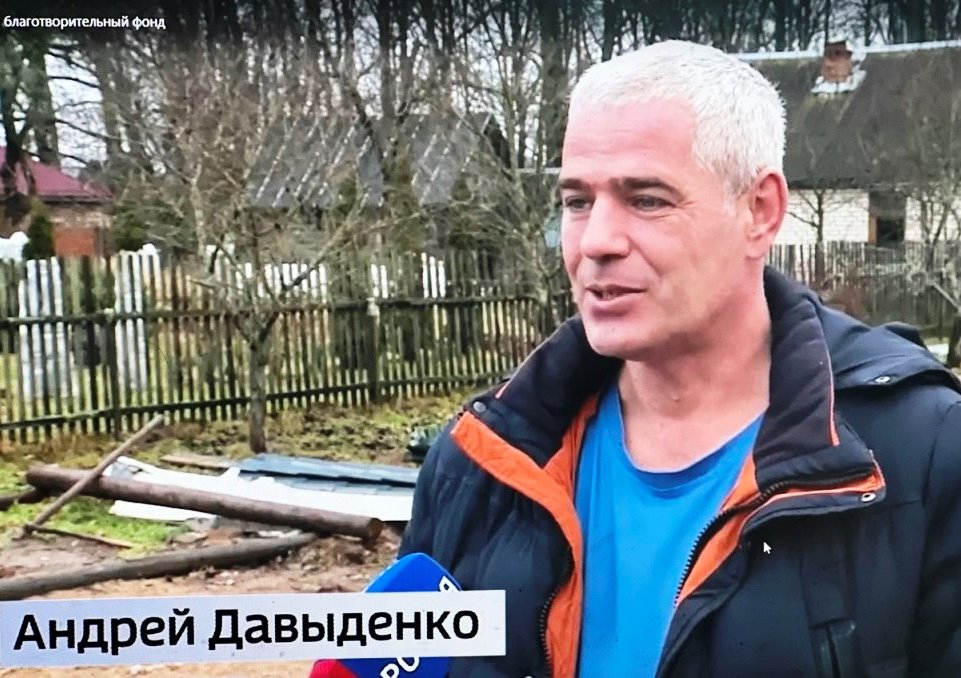
According to the animal rights activist, the biggest difficulties are financial. Each incoming bird costs at least 10,000 rubles, including an X-ray, doctor's consultation, and a minimal set of starter medicines. Every month, the birds—which are mostly predators—consume 200–300 kg of meat products and over 1,000 mice (at 60 rubles per mouse). 'Over the winter, we accumulated 270,000 rubles in electricity debts. Rescuing the swans turned out to be the most expensive—we had to sell a KAMAZ truck to partially pay off the debt, and now we are paying off loans and debts by selling off equipment from our business, which we also had to close (we used to dry dog treats),' the volunteer noted.
Fortunately, caring Smolensk residents are helping the region's only wild bird rescue center. Thanks to their support, the debts were partially paid off. 'Today I asked myself: how many birds have we taken in since the beginning of the year? I started counting and realized that numbers are not what matters most. What matters most is the saved lives. Thank you to everyone who doesn't walk past someone else's misfortune and helps us rescue those who cannot ask for help themselves. Together, we are doing a great thing. Goodness prevails!' the founder of the 'AistYasha' foundation emphasized.
Photos and stills from the archive of the 'AistYasha' center and 'Vesti-Smolensk'